
Book an Appointment
* Fields with asterisks are required.Pediatric Dentistry in San Jose
Choosing the right dentist for a child is an important decision. Children have dental needs that change as their teeth and jaws develop. Regular dental care can support healthy oral development, help identify concerns, and give parents practical guidance for caring for their child’s teeth at home.
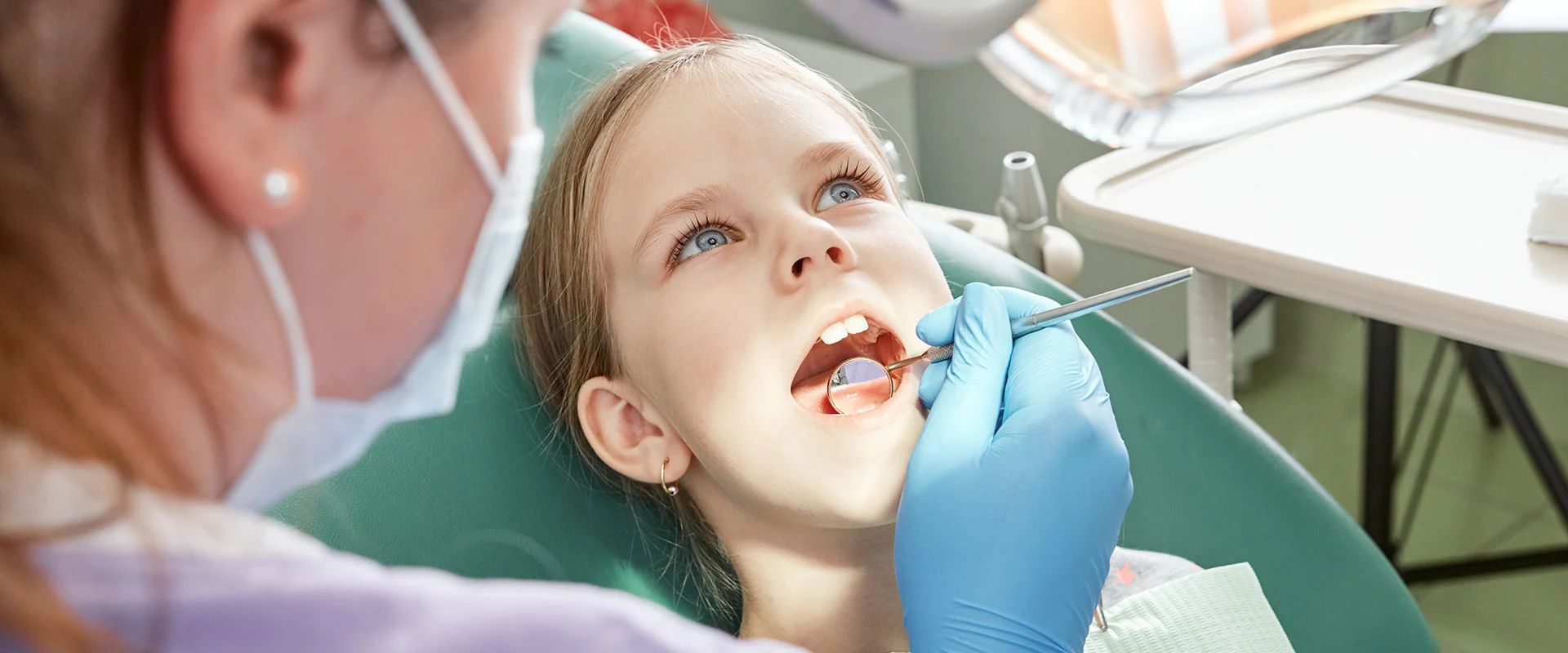
At Neeshat S. Khan, DDS, we provide pediatric dentistry in San Jose for children at different ages and stages of dental development. Care focuses on prevention, monitoring oral health, addressing dental concerns, and helping children establish healthy oral hygiene habits.
Whether a child needs a first dental visit, routine cleaning, cavity treatment, or evaluation after a dental injury, appropriate dental care can help protect their oral health as they grow.
Caring Pediatric Dental Care for Growing Smiles
Children’s teeth and jaws continue to change throughout childhood. Primary teeth help children chew and speak and maintain space for developing permanent teeth. Keeping these teeth healthy can reduce the risk of decay, pain, and infection while supporting oral development.
Regular visits with a pediatric dentist in San Jose allow proper monitoring of oral development and identify changes or concerns that may require preventive care, treatment, or continued observation.
Age-appropriate communication can also help children understand what to expect during dental visits. Parents can ask questions about their child’s oral health, home care, dental development, and recommended treatment.
Pediatric Dental Services
Pediatric dental care focuses on prevention, early identification of oral health concerns, and treatment based on a child’s individual dental needs.
Children’s Dental Exams and Cleanings
Timely dental exams allow the dentist to evaluate a child’s teeth, gums, bite, and oral development. Professional cleanings remove plaque and buildup from areas that may be difficult to clean thoroughly with regular brushing.
Dental visits also give an opportunity for parents and children to receive guidance on brushing, flossing, diet, and other habits that can support oral health.
Dental Sealants
Dental sealants are thin, protective layers that are applied to the chewing surfaces of specific back teeth. The pits and grooves on these surfaces can retain food and plaque and may be difficult to clean effectively.
Sealants provide an additional protective barrier and may help minimize the risk of tooth decay in appropriate teeth.
Fluoride Treatment
Fluoride supports tooth enamel and can help make teeth more resistant to decay. Professional fluoride treatment may be recommended based on a child’s age, cavity risk, fluoride exposure, and individual oral health needs.
Cavity Prevention and Treatment
Tooth decay is impacted by various factors, including frequent exposure to sugary foods or drinks, plaque accumulation, fluoride exposure, oral hygiene, and an individual’s risk of developing cavities.
Identifying tooth decay early may allow it to be managed before more extensive damage occurs. If a cavity develops, the dentist can recommend treatment based on the child’s age, the affected tooth, the extent of decay, and overall dental health.
Monitoring Dental Development
As children grow, their jaws and teeth continue to develop. Regular dental appointments provide opportunities to monitor changes and identify concerns such as crowding, bite problems, or variations in tooth eruption.
Identifying a developmental concern does not necessarily mean immediate treatment is required. Depending on the finding, the dentist may recommend continued monitoring, preventive measures, further evaluation, or treatment at an appropriate stage.
When Should Your Child Visit the Dentist?
A child’s first dental visit is generally recommended when the first tooth appears and no later than the first birthday.
Beginning dental visits early allows the dentist to assess developing teeth and gives parents an opportunity to receive guidance about brushing, fluoride use, diet, and other aspects of infant and toddler oral health.
Regular dental visits remain important even when a child has no obvious symptoms. Tooth decay and other oral health concerns may develop before a child experiences noticeable pain or discomfort.
The appropriate schedule for continuing dental visits can be determined according to the child’s oral health, cavity risk, dental development, and individual needs.
Why Pediatric Dental Care Matters
Preventive dental care during childhood can help protect primary and permanent teeth while giving the dentist opportunities to monitor oral development and address concerns as they arise.
Parents and caregivers play an important role in children’s daily oral hygiene. Children should brush (2 times) daily with fluoride toothpaste using an age-appropriate amount, with caregiver assistance or supervision when needed. Cleaning between teeth becomes important when adjacent tooth surfaces cannot be adequately cleaned with a toothbrush alone.
Limiting frequent exposure to sugary foods and drinks and maintaining appropriate dental visits can also help reduce the risk of tooth decay.
Regular dental examinations complement home care by allowing the dentist to assess cavity risk, oral development, and individual preventive needs.
A Comfortable Dental Experience for Children
For some children, a dental office may feel unfamiliar. Age-appropriate explanations and gradual familiarity with routine dental care may help children become more comfortable with dental visits.
Explaining examinations and procedures in simple terms can help children understand what to expect and provide opportunities for them and their parents to ask questions.
Dental care for children should consider their age, developmental level, previous dental experiences, and individual ability to cooperate during an appointment.
Parents can also help prepare children by speaking about dental visits in simple, neutral, and positive terms. Avoiding frightening descriptions or suggesting that treatment will hurt may help prevent unnecessary anxiety before an appointment.
Pediatric Dentist Near You in San Jose
When searching for a pediatric dentist, parents may want to consider the dentist’s approach to preventive care, communication with children, treatment planning, and management of changing dental needs.
It can also be helpful to ask about available preventive and restorative services, how dental development is monitored, and how recommendations are tailored to a child’s age and oral health.
Families looking for a dentist near them can discuss cavity prevention, dental development, oral hygiene, and treatment options appropriate for their child’s individual needs.
When to Contact a Pediatric Dentist
You should contact a child’s dentist if you notice:
- Tooth pain or sensitivity
- Swollen or bleeding gums
- A chipped, cracked, or broken tooth
- A loose or knocked-out permanent tooth
- Dark spots or visible cavities
- Difficulty chewing
- Persistent bad breath
- A tooth that appears to be erupting in an unusual position
- An injury to the mouth or teeth
- Dental anxiety or difficulty cooperating with necessary dental care
Contact a dentist promptly if a child develops sudden dental pain, facial swelling, significant bleeding, or an injury involving the teeth or mouth. Depending on the symptoms and type of injury, urgent evaluation may be necessary.
Building Healthy Smiles for the Future
Ongoing pediatric dental care combines prevention, developmental monitoring, oral health education, and treatment based on each child’s clinical needs.
Routine examinations and preventive services can help identify oral health concerns and provide parents with guidance as their child’s teeth and jaws develop.
Families seeking a dentist in San Jose for a child’s preventive or treatment needs can schedule an appointment to discuss appropriate care based on the child’s oral health and stage of dental development.
Frequently Asked Questions About Pediatric Dentistry
Other Services
Dental Insurance Plans Accepted in San Jose, CA 95129
The dental office of Neeshat Khan DDS accepts all major insurance plans, including Aetna, Ameritas, Blue Cross / Blue Shield, Delta Dental, Guardian, MetLife, and United Concordia Dental. Please give us a call on 408-777-1290 we will be happy to assist you.









Promotion Plans
Your Local Dentist Proudly Serving the San Jose Community and Nearby Locations
Neeshat Khan DDS offers exceptional dental care designed just for you. From personalized treatments to a full range of services, we’re dedicated to keeping your smile healthy and radiant. Conveniently located near you, we proudly serve the local community and surrounding areas with trusted expertise. Let us help you achieve a smile you will love.